
Client: International Union for Conservation of Nature (IUCN)
Contract timeline: November 2020 – February 2021
Objective:
The overall objective of this assignment is tripartite:
- First, the aim is to conduct socio-economic assessment for thorough understanding of the livelihood conditions that could rely on land and water resources but also assessing opportunities to reduce over-reliance on these natural resources, favoring other alternative/innovative income generating activities within the Mukungwa and Akagera lower catchments.
- Second, is to deliver the economic and financial benefits through Cost-Benefit Analysis (CBA) of the possible catchment restoration interventions that were proposed based on biophysical analysis under lot 1 or generated from this study.
- Third, is to provide innovative suggestions on proposals in order of prioritization which combine both livelihood improvements and biophysical catchment restorations for optimizing economic and ecological benefits.
Scope of the assignment:
To analyze people’s livelihood conditions as linked to land and water resources management, economic-based feasibility conditions of the landscape restoration of the affected catchments, and the financial appraisal of proposed development actions to address the above frontiers.
For this to happen, the following activities are proposed in the client’s terms of reference to guide a detailed methodology in the next section.
- Assess the socio-economic situation in the 2 catchments of Mukungwa and Akagera in order to understand the available resources and assets, opportunities and constraints and goals of the communities;
- Conduct livelihood analysis in the two catchments with considerations of households’ food security and seasonal food availability;
- Identify gender & culture responsive and inclusive alternative income-generating activities for livelihoods diversification that will reduce pressure from over-reliance of land and water resources;
- Develop proposals for interventions based on livelihood assessment and key stakeholder/expert consultations, outlining financing resources requirements for implementing the identified livelihoods. The resource requirements should include capacity building, enterprise development, and marketing options among others.
- Identify the roles and responsibilities of all stakeholders who are and/or will be involved in livelihoods opportunities identified;
- Collect and analyze market data and economic value for ecosystem goods and services from restoration interventions.
- Prepare enterprise budgets of each restoration intervention in the opportunities mentioned in the content scope.
- Conduct a Cost-Benefit Analysis for investment in priority restoration options for Akagera and Mukungwa with projections under different scenarios.
- Analyze market dynamics that influence/contribute to catchment degradation and land restoration and identify opportunities for using market-based solutions to catchment degradation and land restoration.
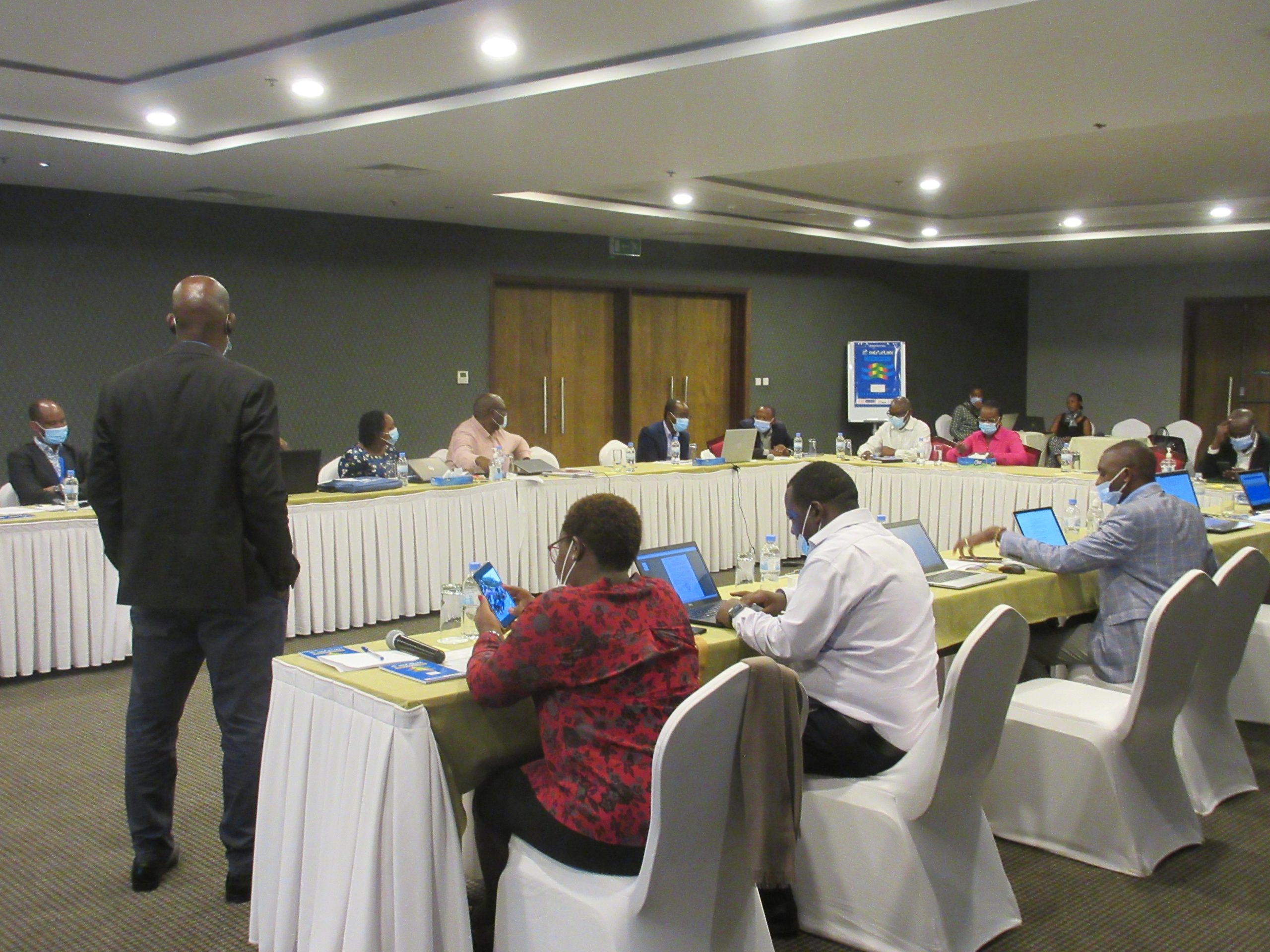
- Present the assessment results to stakeholders in a validation workshop with the representation of communities engaged, government, and relevant collaborating groups. The feedback thus provided should be incorporated into assessment and recommendations.